
A Siddur, often accessed today as a Siddur PDF, is the Jewish prayer book used during daily, Shabbat, and festival services.
These digital versions, like those from Congregation Torat El, offer convenient access to traditional prayers.
Exploring resources like the Internet Archive reveals historical Siddur texts, such as Śafah berurah, in accessible PDF format.
The Definition and Significance of a Siddur
The Siddur, fundamentally, is a compilation of Jewish prayers, readings, and liturgical poetry designed for use during communal and individual worship. Its significance extends far beyond a simple collection of words; it represents a direct link to generations of Jewish practice and spiritual expression.
Increasingly, the Siddur is available as a PDF, offering unprecedented accessibility. This digital format allows individuals to engage with prayer regardless of location or access to a physical book. Resources like those offered by Congregation Torat El demonstrate this convenience, providing a Siddur PDF for Morning Minyan directly online.
The availability of Siddur PDFs also facilitates study and learning. Users can easily search for specific prayers or passages, enhancing their understanding of the liturgy. Furthermore, digitized historical Siddurim, such as Śafah berurah found on the Internet Archive, provide valuable insights into the evolution of Jewish prayer traditions.
Historical Development of the Siddur
The Siddur’s development wasn’t a singular event, but a centuries-long process. Early Jewish prayer was largely improvisational, evolving from biblical verses and Temple practices. Over time, core prayers became standardized, initially transmitted orally and later compiled into manuscripts.
The emergence of printed Siddurim in the 15th and 16th centuries marked a pivotal moment, solidifying liturgical norms. Today, the digitization of these historical texts as PDFs, like the Śafah berurah available through the Internet Archive, allows scholars and practitioners to trace this evolution.
These Siddur PDFs reveal variations in liturgical practice across different communities and time periods. The accessibility of these digitized versions offers a unique opportunity to study the historical context of each prayer and understand how the Siddur has adapted to changing needs. Even modern versions, readily downloadable, build upon this rich historical foundation.

Siddur PDF: Accessibility and Convenience
Siddur PDFs, like those from Congregation Torat El, provide instant access to prayers on various devices. This digital format enhances convenience and portability for users.
Why Download a Siddur as a PDF?
Downloading a Siddur as a PDF offers numerous advantages in today’s digital age. Primarily, it provides unparalleled accessibility. Users can readily access the prayers on smartphones, tablets, or computers, eliminating the need to carry a physical book.
This is particularly useful for travel or when attending services without a Siddur readily available, as exemplified by resources like those offered by Congregation Torat El. PDF formats also allow for easy searching of specific prayers or passages, a feature absent in traditional print versions.
Furthermore, Siddur PDFs are often free of charge, making Jewish practice more accessible to a wider audience. The availability of digitized historical Siddurim, such as Śafah berurah on the Internet Archive, allows for study and comparison of different traditions. Finally, PDFs are easily shareable, fostering communal learning and prayer.
Legal Considerations of Siddur PDFs (Copyright)
When utilizing Siddur PDFs, understanding copyright law is crucial. Many Siddurim are still protected by copyright, even older editions. Downloading or distributing copyrighted material without permission can constitute infringement.
While some synagogues, like Congregation Torat El, offer PDFs for their community’s use, this doesn’t necessarily grant blanket permission for wider distribution. Resources like the Rabbinical Assembly often sell physical Siddurim, and unauthorized PDF copies impact their revenue.
Public domain Siddurim, or those with explicit permissions for digital distribution, are generally safe to download and share. The Internet Archive hosts some such texts, like digitized versions of Śafah berurah. Always check the source and licensing information before downloading or sharing a Siddur PDF to ensure compliance with copyright regulations and respect intellectual property rights.
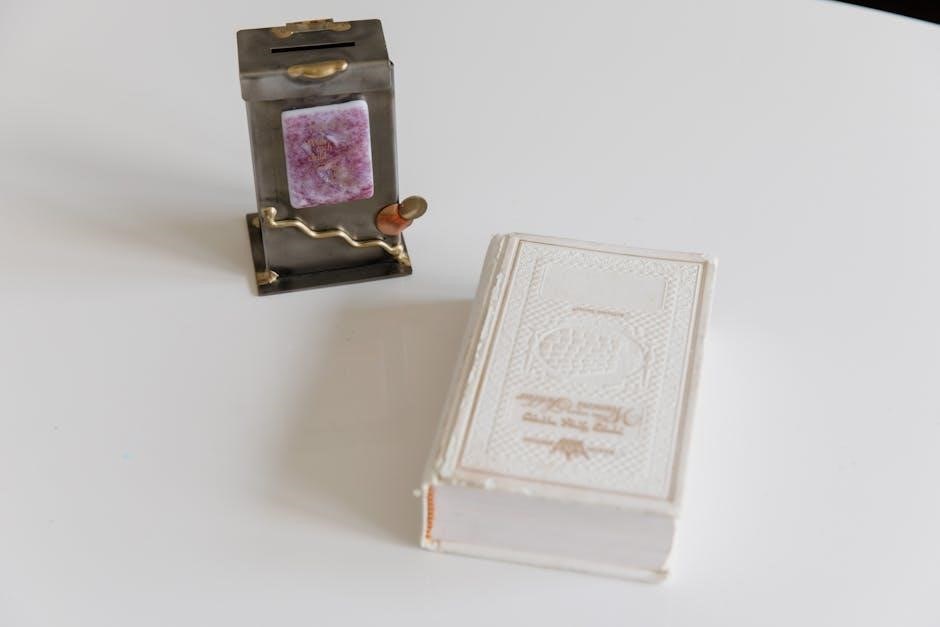
Popular Siddur Versions Available as PDFs
Several Siddur versions are readily available as PDFs, including those from Congregation Torat El, Siddur Śafah Berurah, and Philip Birnbaum’s Ha-Siddur Ha-Shalem.
Congregation Torat El Siddur PDF

Congregation Torat El, a Conservative Synagogue located in Oakhurst, New Jersey, provides a convenient Siddur PDF download for use during their Morning Minyan services. This accessibility reflects a modern approach to religious practice, allowing members and visitors alike to participate fully, even remotely.
The synagogue, established at 301 Monmouth Road, offers office hours Monday through Thursday from 7 am to 5 pm, and Fridays from 7 am to 2 pm. Contacting them at 732-531-4410 or via their website, officetorat-el.org, provides further information.
Downloading the Siddur PDF directly from their resources ensures users have the correct version for their services. While physical Siddurim are available for purchase through the Rabbinical Assembly, the digital format offers portability and ease of use, particularly for those unable to attend in person; Their active Facebook presence (both for the Synagogue and Early Learning programs) further demonstrates their commitment to community engagement and accessibility.
Siddur Śafah Berurah PDF
The Siddur Śafah Berurah, a historically significant prayer book, is available as a PDF through the Internet Archive, offering free download, borrowing, and streaming access. This resource provides a valuable glimpse into traditional Jewish liturgy and practice.
Described as comprising 224, 104, 36, 448, 208, and 72 pages within a 20cm format, the Siddur features Hebrew text accompanied by a German translation rendered in Hebrew characters. This unique characteristic caters to a specific historical community and linguistic context.
Digitization efforts, as documented by the Internet Archive (Vinograd, Y, Rödelheim 303), preserve this important text for future generations. Accessing the Siddur as a PDF allows researchers, students, and individuals to study and engage with its content regardless of geographical location or physical access to a printed copy. It represents a crucial piece of Jewish liturgical history now readily available digitally.
Ha-Siddur Ha-Shalem (Birnbaum) PDF
Ha-Siddur Ha-Shalem, also known as the Complete Daily Prayer Book compiled by Philip Birnbaum in 1949, is a widely respected and utilized Siddur. Finding a PDF version of this comprehensive text offers significant convenience for daily prayer and study.
While specific details regarding readily available PDF sources weren’t provided, its established reputation suggests digital copies are sought after by Jewish communities globally. Birnbaum’s work is known for its thoroughness and inclusion of various liturgical traditions.
Accessing Ha-Siddur Ha-Shalem as a PDF allows users to easily search for specific prayers, navigate the text digitally, and print sections as needed. This digital format preserves a vital resource, making it accessible to a broader audience and facilitating continued engagement with traditional Jewish prayer practices. Its comprehensive nature makes it a valuable asset in digital form.

Where to Find Siddur PDFs Online
Siddur PDFs are available on official synagogue websites, like Congregation Torat El. The Internet Archive and the Rabbinical Assembly also host digital Siddur resources.
Official Synagogue Websites
Many synagogues now provide Siddur PDFs directly on their websites, recognizing the need for accessible prayer resources. This is particularly useful for members who may be traveling, homebound, or prefer digital formats.

For example, Congregation Torat El in Oakhurst, NJ, offers a downloadable Siddur PDF specifically for their Morning Minyan services. This demonstrates a proactive approach to meeting the needs of their congregation.
Checking the website of your local synagogue is often the first and most reliable place to find a Siddur PDF aligned with their specific traditions and liturgy. These versions are typically accurate and reflect the community’s practices.

Synagogue websites often provide links to purchase physical Siddurim through organizations like the Rabbinical Assembly, alongside the free PDF options.
Internet Archive Resources
The Internet Archive is a valuable repository for digitized Siddur PDFs, offering access to historical and often rare prayer books. A prime example is the availability of Siddur Śafah berurah, a complete Siddur accessible for free download, borrowing, and streaming.
This resource allows users to explore different editions and translations, including versions with German translations rendered in Hebrew characters. The Siddur Śafah berurah edition available on the Internet Archive is a substantial work, spanning hundreds of pages;
Researchers and individuals interested in the historical development of Jewish liturgy will find the Internet Archive particularly useful. It provides a window into past prayer practices and textual variations, all conveniently available as PDF documents.
However, users should be mindful of the age and potential variations in these digitized texts compared to contemporary Siddurim.
Rabbinical Assembly Resources
The Rabbinical Assembly serves as a key source for obtaining Siddurim, and often provides information regarding access to Siddur PDF versions or purchasing options. Congregation Torat El specifically directs individuals to the Rabbinical Assembly for Siddur purchases.
While direct links to freely downloadable PDFs aren’t prominently featured, the Rabbinical Assembly is the authoritative body for Conservative Jewish practice, and their publications represent standard texts. They likely offer digital versions for sale or through subscription services.
Checking their official website is crucial for the most up-to-date information on available Siddur resources, including potential digital formats. Supporting the Rabbinical Assembly through purchases ensures the continuation of accurate and reliable liturgical materials.
Contacting them directly may also reveal access to specific Siddur PDF resources for affiliated synagogues or educational institutions.

Using a Siddur PDF Effectively
Siddur PDFs offer convenient access, but utilize features like bookmarks and search functions for navigation. Consider printing options carefully for readability.
Navigating PDF Features (Bookmarks, Search)
Utilizing the features within a Siddur PDF significantly enhances the user experience. Most PDF readers offer a bookmarks panel, often located on the left side of the screen. A well-structured Siddur PDF will include bookmarks for major sections like Shacharit (morning prayers), Mincha (afternoon prayers), Ma’ariv (evening prayers), and specific holidays.

These bookmarks allow for quick and direct access to desired prayers, eliminating the need to scroll through hundreds of pages. Furthermore, the search function is invaluable. If you’re looking for a specific prayer or phrase within the Siddur, simply type it into the search bar (usually Ctrl+F or Cmd+F) to instantly locate its occurrences.
This is particularly helpful when trying to find specific piyutim (liturgical poems) or variations in prayers for different occasions. Mastering these features transforms a Siddur PDF from a simple digital copy into a powerful and efficient prayer tool.
Printing Considerations for Siddur PDFs
Printing a Siddur PDF requires careful consideration to ensure readability and minimize paper usage. Before printing, review the PDF’s settings to select “grayscale” to conserve color ink. Adjust the scale to fit the pages comfortably on your paper; a scale of 90-95% often works well, preventing text from being cut off.
Duplex printing (printing on both sides of the paper) is highly recommended to reduce paper consumption, effectively halving the number of pages needed. Consider printing only the sections you frequently use, rather than the entire Siddur, if portability isn’t a primary concern.
Ensure your printer has sufficient ink and paper before starting a large print job. Finally, test print a few pages to verify the formatting and readability before committing to a full print run. A well-printed Siddur PDF can provide a convenient physical copy for personal use.
Digital Siddur vs. Physical Siddur: Pros and Cons

Utilizing a Siddur PDF presents both advantages and disadvantages compared to a traditional, physical Siddur. Digitally, accessibility is key – a Siddur PDF, downloadable from sources like Congregation Torat El, is available on multiple devices, offering convenience and portability.
Features like search and bookmarks, inherent in PDF readers, enhance navigation. However, a digital version lacks the tactile experience and traditional aesthetic many cherish. Printing a PDF mitigates this, but introduces costs and potential formatting issues.
Physical Siddurim offer a distraction-free experience and a sense of connection to generations of Jewish practice. Conversely, they are less portable and can be expensive. Ultimately, the choice depends on individual preferences and needs – a Siddur PDF serves as a valuable supplement or alternative.