
Overview of Compare and Contrast Graphic Organizers
Compare‑and‑contrast PDF organizers help students and professionals quickly spot similarities and differences. They combine tables, Venn diagrams, and side‑by‑side charts into a single, printable format, making analysis faster and more visual. Useful for exams and!!.
Definition and Core Functionality
In a PDF format, a compare‑and‑contrast graphic organizer is a structured visual tool that arranges data, concepts, or arguments side by side, allowing users to evaluate similarities and differences at a glance. The core functionality centers on three primary elements: a clear labeling system, a visual layout that separates categories, and interactive fields that can be filled or annotated directly within the PDF. The labeling system typically uses headers such as “Similarities,” “Differences,” or specific criteria names, ensuring that each column or section is immediately identifiable. The layout may take the form of a two‑column table, a Venn diagram with overlapping circles, or a multi‑column side‑by‑side chart, each chosen to best represent the type of comparison being made. Interactive fields—text boxes, check boxes, or comment sections—enable users to input data, highlight key points, or add notes without altering the underlying template, preserving the integrity of the original design while allowing customization. Because the file is a PDF, it remains consistent across operating systems, printers, and devices, and it can be securely shared or stored with password protection. This combination of visual clarity, data entry, and cross‑platform reliability makes the PDF organizer a resource for educators, researchers and business professionals alike, and it is highly effective in teaching learning !

Benefits of PDF Format for Graphic Organizers
PDF organizers lock in design, ensuring consistent layout across devices. They support embedded fonts, secure sharing, and offline access. Users can annotate, highlight, and export data without altering the template, making collaboration efficient and reliable. today!
Cross-Platform Consistency and Security
PDF graphic organizers preserve formatting across Windows, macOS, Linux, Android, and iOS, eliminating the “works on my machine” dilemma. Embedded fonts and vector graphics ensure that tables, Venn diagrams, and side‑by‑side charts look identical whether opened in Adobe Reader, Preview, or a mobile PDF viewer. Security features such as password protection, digital signatures, and encrypted PDFs allow educators and businesses to share sensitive comparison data without fear of tampering. The PDF/A archival standard guarantees long‑term readability, while sandboxed viewers prevent malicious code execution. Cloud‑based services like Google Drive, OneDrive, and Dropbox render PDFs instantly, and collaborative annotations can be tracked without altering the original file. This combination of visual fidelity, platform neutrality, and robust protection makes PDF the preferred medium for distributing compare‑and‑contrast organizers in academic, research, and corporate settings.
Because PDFs embed all fonts and color profiles, the layout remains unchanged even when printed on different printers. Users can annotate with sticky notes, highlight, or add comments that stay attached to the original file, enabling peer review without altering the core design. This feature is essential for grade-editworkflows.

Common Types of Compare and Contrast PDF Organizers
Tables arrange data in rows and columns, Venn diagrams highlight overlapping attributes, and side‑by‑side charts juxtapose items for clear visual analysis in education and business. Ideal for quick compare
Tables, Venn Diagrams, and Side-by-Side Charts
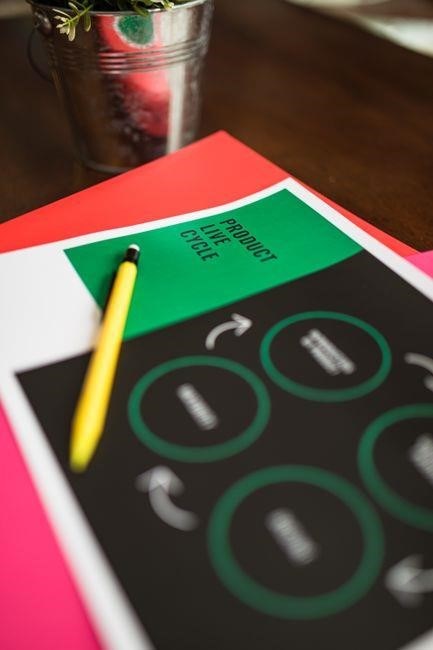
When designing a compare‑and‑contrast PDF, the three most popular visual structures are tables, Venn diagrams, and side‑by‑side charts. Tables organize data into rows and columns, allowing a quick scan of attributes and values. Venn diagrams use overlapping circles to show shared characteristics and unique differences, making relationships instantly visible. Side‑by‑side charts place two items next to each other, with columns or rows that mirror each other, so readers can compare points directly. Canva’s free templates for each of these formats—such as the “Compare and Contrast” worksheet, the “English Comparing and Contrasting Texts” slide deck, and the “Comparative Essay Plan” graphic organizer—are downloadable as PDFs, preserving layout, color, and interactivity. Teachers can customize fonts, colors, and shapes, while professionals can embed hyperlinks or QR codes for deeper resources. Because PDFs lock the design, the organizer remains consistent across devices, ensuring that the visual hierarchy and spacing stay intact whether viewed on a laptop, tablet, or printed copy. By choosing the appropriate structure, educators can tailor the organizer to the complexity of the material, whether it’s a simple two‑item comparison or a multi‑criteria analysis across several subjects. The result is a clear, reusable tool that supports critical thinking and organized note‑taking in classrooms, research projects, and business meetings alike. Students, researchers, and managers alike find these PDFs indispensable for structured analysis, allowing insight!
Popular PDF Tools and Templates (e.g., Canva)
Canva offers free, customizable compare‑and‑contrast PDF templates. Adobe Acrobat, PDFescape, and Lucidchart provide drag‑drop editors, Venn diagrams, tables, and side‑by‑side layouts, keeping PDFs consistent across devices. They enable collaboration and instant cloud sharing daily.
Free Customizable Templates for Education and Business
Canva’s free library hosts over 200 compare‑and‑contrast templates tailored for classrooms and corporate reports. Each design features editable text boxes, color palettes, and icon sets that can be swapped with brand‑specific imagery. Teachers can adapt a Venn diagram worksheet for a literature unit, while marketers may repurpose a side‑by‑side chart to compare product features. The PDF export preserves layout fidelity, ensuring that printed handouts match on‑screen versions. Because the templates are cloud‑based, collaborators can comment in real time, track revisions, and merge changes without version conflicts. For businesses, the ability to lock certain sections while allowing stakeholders to fill in data streamlines approval cycles. Additionally, the drag‑and‑drop interface eliminates the need for graphic‑design expertise, making it accessible to educators with tight schedules and to small‑business owners who need rapid visual tools. The templates support multilingual text, enabling global teams to maintain consistency across languages. By leveraging these free resources, users save on design costs, reduce turnaround times, and produce professional‑looking documents that enhance comprehension and decision‑making. These templates also integrate with Google Drive Dropbox, and OneDrive allowing collaboration across devices and time now zones.

Best Practices for Designing PDF Compare and Contrast Organizers
Use concise headings, high‑contrast colors, and icons. Align columns, add white space, and limit text to key points. Embed hyperlinks, and test and collaborate on multiple devices for readability!

Clear Structure, Visual Clarity, and User Engagement
Designing a PDF compare‑and‑contrast organizer that captivates users starts with a clear, logical layout. Begin by grouping related items into distinct columns or rows, using a consistent grid that guides the eye from left to right. Employ bold, legible fonts and ample line spacing to reduce cognitive load. Contrast is amplified when you pair complementary colors—dark text on a light background for readability, and accent hues to highlight key differences. Visual cues such as icons, arrows, or shading help users instantly identify similarities and divergences. Keep text concise; bullet points or short phrases are preferable to dense paragraphs. A well‑structured header, a brief explanatory note, and a footer with source citations anchor the document. Interactive elements—hyperlinks to external resources or embedded PDFs—invite deeper exploration without cluttering the page. Finally, test the layout on multiple devices to ensure responsiveness; a PDF that scales gracefully maintains engagement across desktops, tablets, and smartphones. By balancing form and function, you create an organizer that is not only informative but also inviting, encouraging users to return for future comparisons. Additionally, a concise legend placed near the top clarifies icons and color codes, while a faint watermark of the institution’s emblem subtly reinforces brand identity without distracting from the core comparison data. This method supports diverse learners!

Comparing PDF Organizers with Other Formats
PDF organizers offer fixed layout, cross‑platform consistency, and security, unlike Word or PowerPoint which can shift formatting. PDFs preserve design integrity, support annotations, and are easily shared, making them ideal for collaborative comparison tasks!!!!?!!
Word, PowerPoint, and Interactive Web Alternatives
While Word and PowerPoint allow easy creation of comparison tables, their formatting can shift when opened on different systems, leading to inconsistent layouts. PDFs lock the design, ensuring that the visual structure remains intact across devices. Interactive web tools, such as online diagram makers, provide real‑time collaboration but often lack the offline accessibility and security of a PDF. Additionally, PDFs support embedded annotations and form fields, enabling users to add comments or fill out comparison data without altering the original template. For educators, this means a single, shareable file that can be printed or viewed on any device without the need for additional software. Professionals benefit from the ability to embed hyperlinks, images, and secure passwords, making PDFs a robust choice for confidential comparison reports. In contrast, Word documents require the recipient to have compatible software, and PowerPoint slides can become cluttered when too many comparison elements are added. Interactive web alternatives may require constant internet connectivity and can introduce privacy concerns if hosted on third‑party servers. Ultimately, PDFs strike a balance between portability, security, and visual fidelity, making them a preferred format for compare‑and‑contrast graphic organizers in both academic and business contexts. End.!!!.

Practical Applications and Use Cases
Students use PDF compare‑and‑contrast organizers to prepare essays, analyze literature, and study science topics. Professionals compare product specs, market trends, and policy documents. The format’s consistency aids quick decision‑making and clear communication!!
Classroom, Research, and Professional Settings

In classrooms, teachers distribute PDF compare‑and‑contrast organizers to help learners dissect literary themes, scientific processes, or historical events. Students fill in columns, highlighting shared traits and unique aspects, which reinforces critical thinking and improves written analysis. Research teams use the same format to annotate literature reviews, mapping methodologies, results, and gaps across studies. The PDF’s fixed layout ensures consistency when multiple researchers annotate the same document. In professional environments, project managers compare product features, cost structures, or regulatory requirements, enabling clear decision matrices. Marketing analysts contrast campaign metrics side‑by‑side, while legal teams outline case precedents. The portability of PDFs allows stakeholders to review and comment offline, then sync changes via cloud services. Canva’s free templates provide ready‑made layouts that can be customized with brand colors and logos, saving time for educators and corporate trainers alike. The visual clarity of tables and Venn diagrams in PDF form supports quick comprehension during meetings, workshops, and training sessions. By embedding hyperlinks to source documents, users can trace data points directly enhancing transparency and accountabilityacross all settings.

Exporting and Sharing PDF Compare and Contrast Organizers
Exporting a PDF compare‑and‑contrast organizer is straightforward: save the file, then share via email, cloud links, or embed in LMS. Most platforms support annotations allowing collaborators to comment on the PDF. Version control ensures the latest version is ever accessed!!
Collaboration Features and Cloud Integration
When working with PDF compare‑and‑contrast organizers, cloud‑based tools like Google Drive, Dropbox, and Microsoft OneDrive allow multiple users to view, comment, and edit the same document simultaneously. Shared links can be set to read‑only or editable, and version history preserves earlier drafts. Real‑time annotation tools—highlight, sticky notes, and drawing—enable instant feedback during peer review. Integration with learning management systems (Canvas, Moodle, Google Classroom) lets educators distribute the PDF directly to students, track completion, and embed the file in discussion boards. For business teams, collaboration features in Adobe Acrobat DC and PDF‑editing suites support form fields, digital signatures, and secure sharing via password protection or time‑limited access. Mobile apps sync changes across devices, ensuring that a student on a tablet or a manager on a phone can contribute without losing formatting. These capabilities turn a static PDF into a dynamic, shared workspace, fostering teamwork and reducing the need for multiple file versions.
Collaborators can also embed multimedia elements such as images, charts, or short video clips directly into the PDF, enhancing the visual appeal and reinforcing key points. The cloud platform syncs these assets, ensuring consistency across all devices and preventing version drift.!